What is blood cancer?
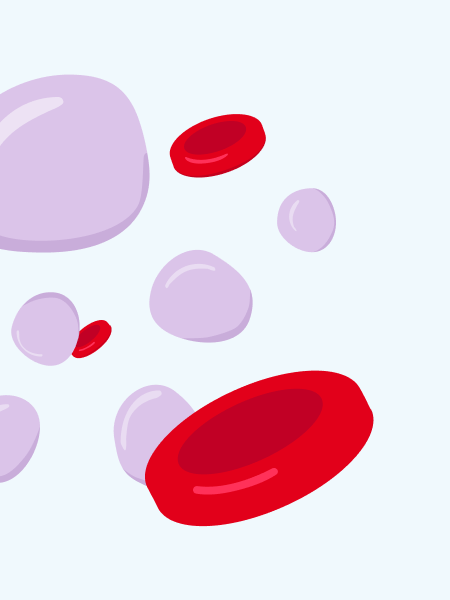
Imagine your bone marrow as a garden. In a healthy garden, seeds grow into strong flowers. These seeds are called blood stem cells. They grow into three main types of blood cells:
- Red blood cells that carry oxygen
- White blood cells that fight infections
- Platelets that help with blood clotting
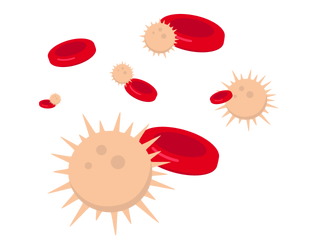
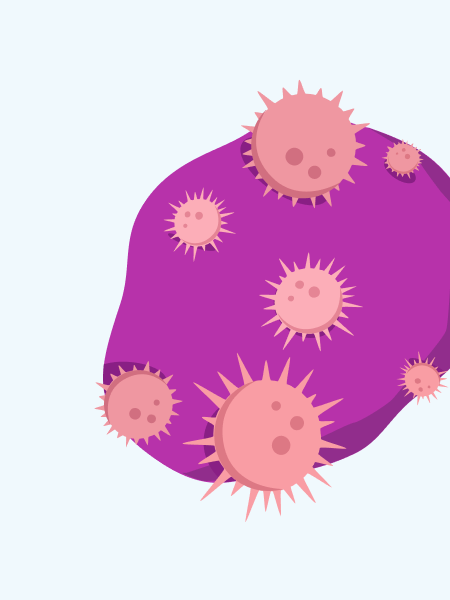
When someone has blood cancer, it is like weeds growing out of control in the garden. The seeds are damaged, and they produce abnormal or immature cells. These are called cancer cells.
Cancer cells do not function properly. They multiply too fast, crowd out healthy cells, and prevent the blood from doing its normal jobs. This can make it difficult for the body to fight infections, carry oxygen or stop bleeding.
Why healthy blood is important?
Blood is essential for life. It keeps everything in the body working properly. Healthy blood helps with:
- Transporting oxygen and nutrients to organs
- Fighting off infections
- Controlling body temperature
- Healing wounds and bruises
- Removing waste from the body
When the blood is full of cancer cells, it cannot perform these tasks. This puts strain on your organs and weakens your immune system. People with blood cancer often feel tired, get sick often, bruise easily, and struggle to recover from even minor illnesses. Because blood touches every part of the body, the effects of blood cancer are wide-reaching.
Types of blood cancers
There are three common types of blood cancer. Each one affects the body differently, but all begin in the bone marrow or lymphatic system.
- Leukaemia begins in the bone marrow and leads to the production of abnormal white blood cells. These cells build up in the blood and bone marrow, making it hard for the body to fight infection, carry oxygen or stop bleeding.
- Lymphoma starts in the lymphatic system, which helps your body fight off illness. It causes certain white blood cells to grow out of control, creating lumps or swollen glands in the neck, armpits, or groin.
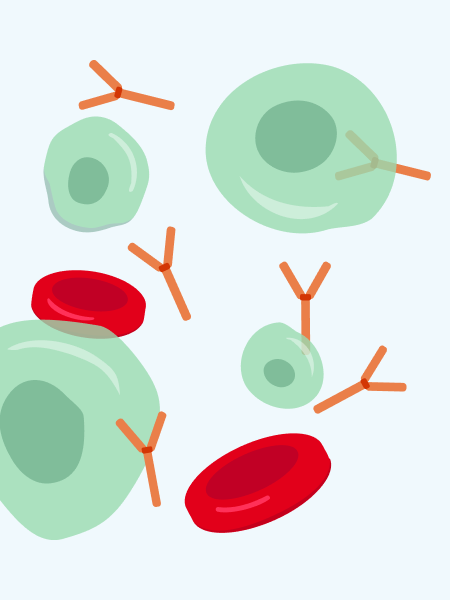
- Myeloma is a cancer of plasma cells, which are meant to produce antibodies that help protect you. When these cells become cancerous, they affect the immune system and can cause bone pain and kidney problems.
How you can help
Many people with blood cancer need a blood stem cell transplant to survive. This is especially true when other treatments, like chemotherapy or immunotherapy, do not work. Only around 30 percent of patients can find a tissue match within their family. The rest depend on strangers who are willing to register as blood stem cell donors.
This is where DKMS Africa steps in. We help patients in South Africa and across the world find matching donors. A simple cheek swab is all it takes to register. If you are a match, you could give someone the chance to live a full, healthy life.